Companies Fired Workers for AI. Now They Want Them Back.
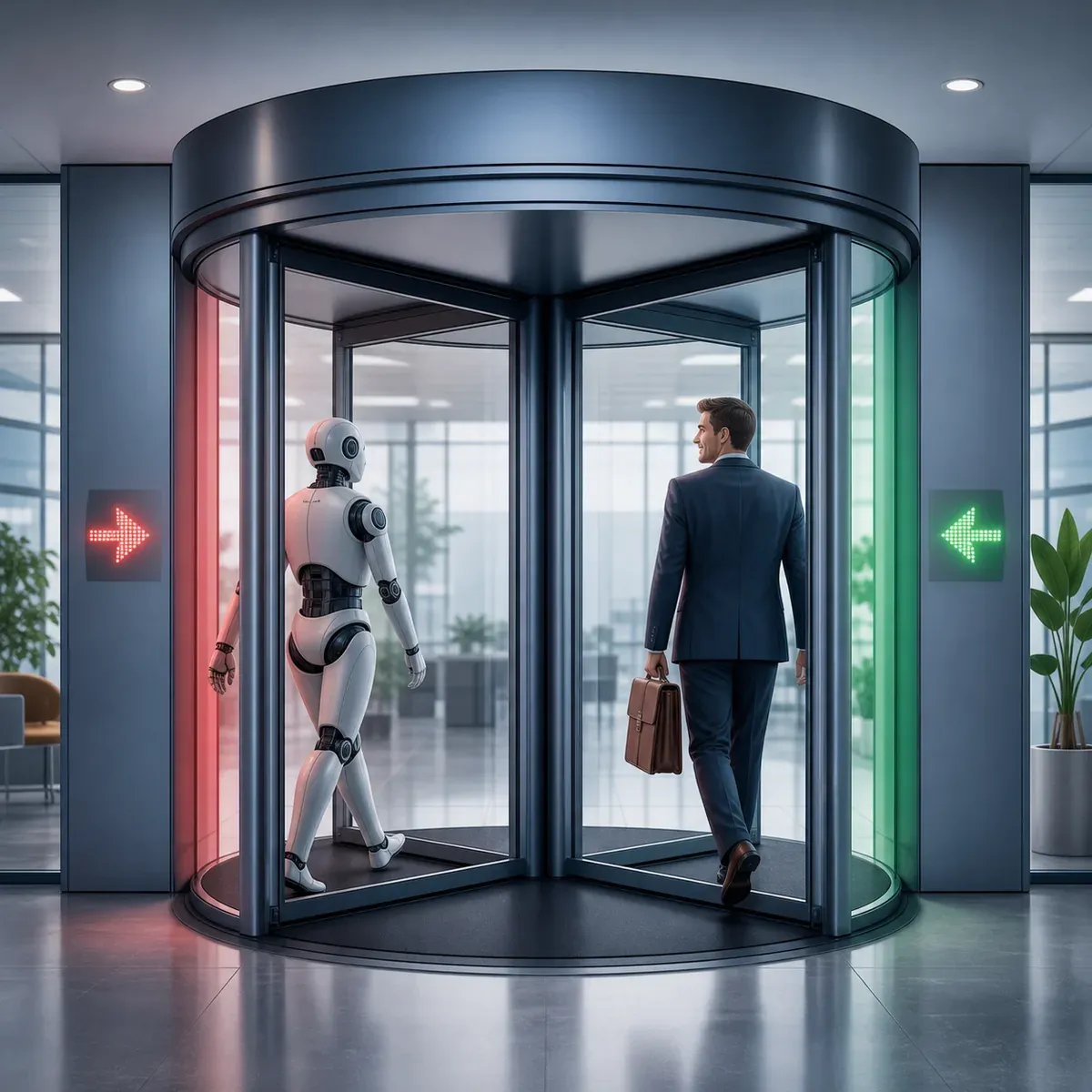
TL;DR — A growing wave of companies that laid off workers while citing AI as the replacement are quietly rehiring — and regretting the original cuts. More than half of companies now say they regret AI-driven layoffs, per new survey data, and household names including Ford and IBM are among those bringing human workers back. The "AI boomerang" is real, and it says something important about how companies misjudge automation.
The script was supposed to go one way: announce AI strategy, reduce headcount to match the new leaner model, book the efficiency gains. Instead, a significant number of companies are now running the tape backward. CNBC reports that employers who laid off workers explicitly citing AI are already starting to regret it. New survey data published July 1 shows more than half of companies that made AI-driven cuts now say those layoffs were a mistake — and firms including Ford and IBM are actively rehiring the workers they let go.
Fast Company has been tracking this trend since June, calling it the "AI boomerang": workers dismissed for automation come back because the automation didn't deliver what was promised on the timeline that was promised.
So what? The root problem isn't that AI doesn't work. It's that corporate AI timelines were written by optimists and executed by accountants. Layoff decisions happen in quarters; AI deployment happens in years. A company that cut its customer service team in Q1 because an AI chatbot was "ready" discovers in Q3 that the chatbot handles 60% of cases well and catastrophically mishandles the other 40% — the exact cases that require the human judgment that was just eliminated.
This is a pattern with a name in technology adoption: the productivity paradox. New technology often reduces measured productivity in the short term because organizations cut the human capacity that acted as a buffer while the technology was still maturing. The gains come later, but the capacity cuts happen first.
| The optimistic layoff case | What actually happened |
|---|---|
| AI replaces X% of tasks → cut X% of staff | AI handles easy cases; hard cases pile up |
| Efficiency gains in one quarter | Deployment timeline slips 1–2 years |
| Remaining staff upskilled to work with AI | Institutional knowledge left with laid-off workers |
| Cost savings book immediately | Rehiring costs + knowledge gap exceed original savings |
The institutional knowledge problem is particularly painful and underappreciated. When a company lays off experienced workers, it isn't just removing labor hours — it's deleting the informal knowledge of how things actually work: the edge cases in the CRM that nobody documented, the relationships with clients that live in someone's head, the process workarounds that exist because the official process is broken. AI doesn't absorb this. It never sees it.
The Ford and IBM angle matters because these aren't startups making naïve first-time automation mistakes. They're mature organizations with sophisticated HR and operations functions. If they're saying the AI-driven layoffs were a mistake and are actively reversing them, the lesson isn't specific to their industries — it's structural.
None of this means AI won't eventually displace significant numbers of jobs. The honest reading of the data is: it will, but the timeline is longer and the path is messier than the layoff memos suggested. Companies that cut aggressively in 2025–2026 based on AI promises are learning the same lesson that companies learned after ERP rollouts in the 1990s and offshoring waves in the 2000s: transformation takes longer than the business case says, and the human cost of cutting too early is hard to recover from.
The workers coming back — the "boomerangs" — often return with leverage they didn't have before. They know what they're worth, the company knows it needs them, and the negotiation is different the second time.
Bottom line: Companies that fired people to make room for AI and are now rehiring them didn't get the AI wrong — they got the timeline wrong, and that's an expensive lesson to learn twice.
Sources: CNBC, AIBase, Fast Company, Forbes — June–July 2026
Tags: #AI #Jobs #Business #Labor #FutureOfWork

Comments ()